


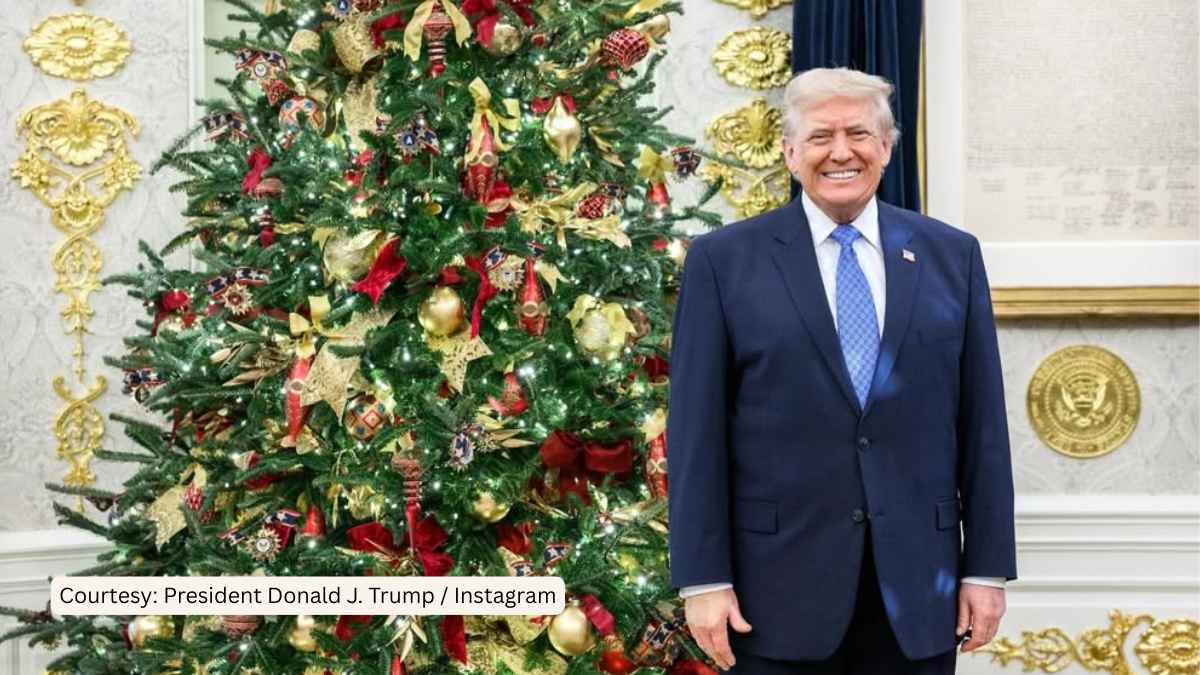
US President Donald Trump has ignited global fury by announcing the United States’ withdrawal from the United Nations Framework Convention on Climate Change (UNFCCC), the foundational 1992 treaty underpinning three decades of international climate action. The move, revealed through a presidential memorandum on January 7, 2026, also severs ties with 65 other UN-linked bodies, including the Intergovernmental Panel on Climate Change (IPCC), and follows his second exit from the Paris Agreement, effective January 20. Critics worldwide decry the decision as a reckless abandonment of planetary responsibility, isolating America from 200 nations committed to curbing emissions and averting catastrophe.
Environmental advocates and world leaders swiftly condemned the action, with former US climate envoy John Kerry labelling it a “gift to polluters” that undermines decades of diplomacy. The withdrawal, which takes effect one year after notification, strips the US of its seat at annual climate summits and obligations to report emissions data, prompting fears of a domino effect on global cooperation. Legal experts question the president’s unilateral authority over a Senate-ratified treaty, while figures like Jean Su of the Centre for Biological Diversity warn it could lock future administrations out of re-joining without a two-thirds congressional vote.
The announcement aligns with Trump’s broader agenda to dismantle climate regulations, prioritise fossil fuels, and redirect resources from what he deems “irrelevant” global forums. As wildfires rage and storms intensify across the US, public protests erupted in major cities, with hashtags like #ClimateBetrayal trending amid calls for resistance from states and businesses vowing independent action.
